The pattern was bigger than one career.
Capable, ambitious veterans were leaving behind a powerful institutional identity and entering civilian life without an equally coherent system to help them reinterpret themselves and rebuild on new terms.
Total Veteran is a practical transition system for veterans, ex-forces, and anyone who has served - built from lived service and doctoral research. It exists to help service leavers and ex-forces rebuild identity, structure, and purpose after the uniform comes off, and to construct a civilian life that is meaningful, disciplined, and self-directed.
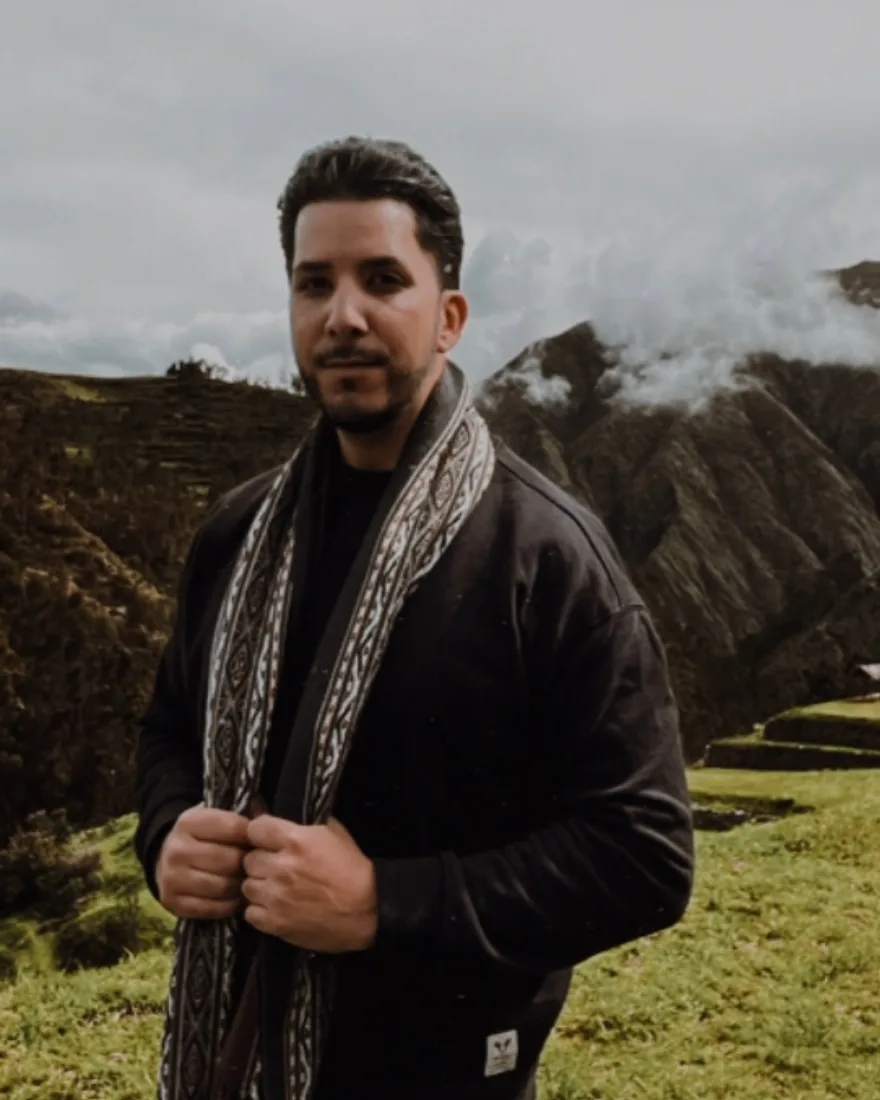
Dr Carlos M. Callirgos is a US Navy veteran, researcher, entrepreneur and the founder of Total Veteran. After 16 years in the US Navy, rising to Chief Petty Officer, he transitioned into entrepreneurship, consulting and higher education, and built Total Veteran from lived experience and doctoral research into the deeper identity, structural and psychological challenges veterans face after service.
Born in Lima, Peru, raised in Louisiana and Florida, his career carried him across cultures and high-responsibility environments: commissioning crews on the USS Shoup (DDG-86) and USS Spruance (DDG-111); counter-narcotics and 2004 tsunami relief operations; service with the US Navy Blue Angels; irregular-warfare work tied to the National Security Agency in England; and diplomatic and medical-research postings linked to the US Embassy and the Navy Medical Research Center in Singapore and Cambodia.
After leaving service in 2017, Carlos moved into management consultancy and startup work across the UK, Italy, Spain, Germany and Singapore. He co-founded Crazy Bull, a personal-care brand that grew into 20 international markets and 1,000+ retailers within five years, and has since taught and researched at university level on personal development, military social psychology, identity, transition and entrepreneurship.
What Carlos brings to Total Veteran is a hard-earned understanding of what happens when highly capable veterans lose the structure, language, recognition and collective mission that once organised their lives. His doctoral research, drawing on participants from the UK, USA and Colombia, helped shape Total Veteran into a reintegrative framework.
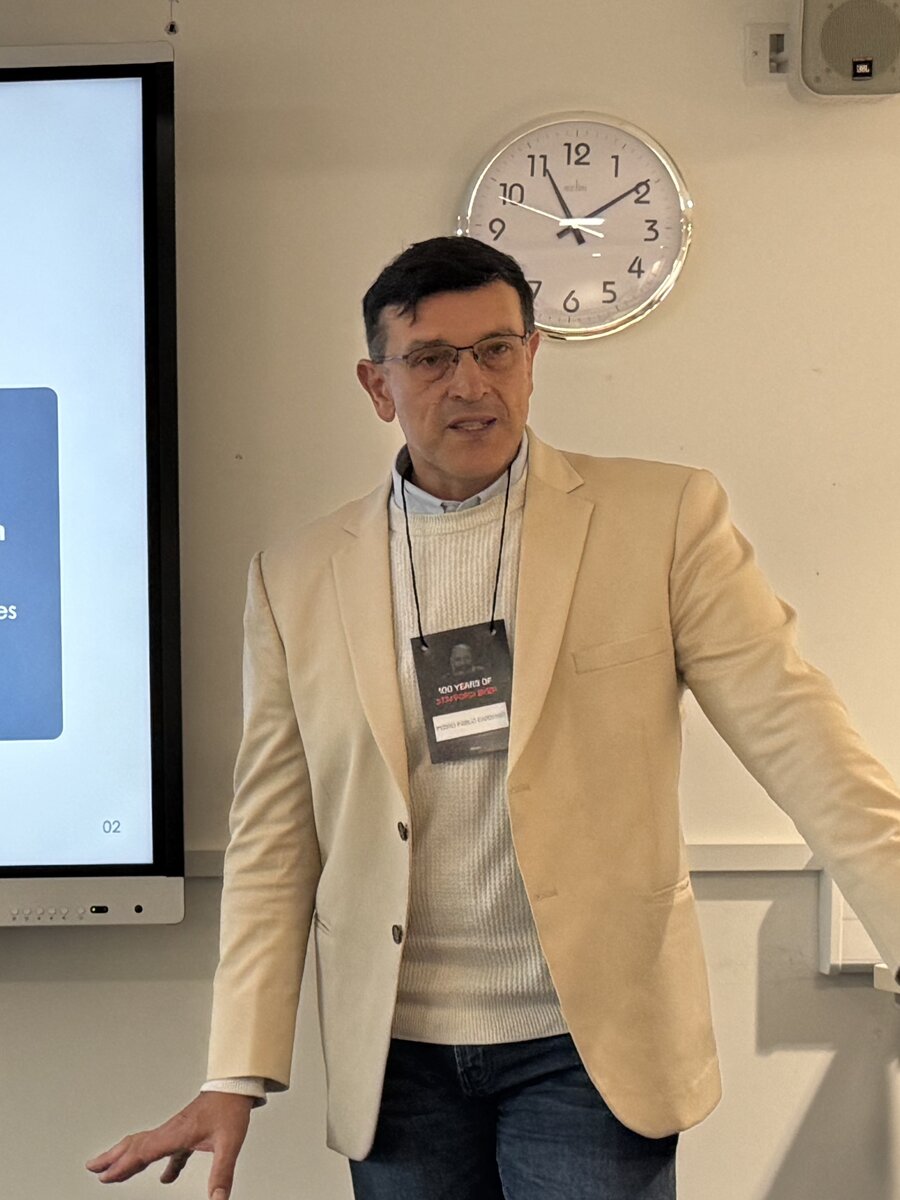
Dr Pedro Pablo Cardoso Castro is Total Veteran's Chief Cybernetics Officer. He holds a faculty position at De Montfort University in Phnom Penh, Cambodia, with close to two decades of academic work in organisational cybernetics and the Viable System Model (VSM) developed by Stafford Beer.
Pedro's role is to apply VSM methodology across Total Veteran's ecosystem of partners, translating the model into a systemic diagnostic for identity, structure and purpose. He co-developed the Viable Identity Adaptation Framework (VIAF) with Carlos, a VSM reconstruction of the Total Veteran model presented at Metaphorum 2026, the conference marking 100 years of Stafford Beer.
Total Veteran began with a personal observation that became a research question, then a system. Carlos lived the transition struggle himself, then watched the same pattern in friends from across services and nations. The hardest part was the deeper loss of identity, structure, recognition and shared mission once the institution was gone.
Capable, ambitious veterans were leaving behind a powerful institutional identity and entering civilian life without an equally coherent system to help them reinterpret themselves and rebuild on new terms.
Doctoral fieldwork across the UK, USA and Colombia confirmed it: the core transition challenge was identity, structure and reintegration, with employability as one part. The same struggle repeated, in different uniforms, across continents.
Total Veteran translates that research into a reintegrative framework: Recognise, Reclaim, Reframe, applied across six domains of life. A system to help veterans emancipate from the former role, repurpose their skills, and define success on their own terms.
The Total Veteran framework comes from doctoral research into the specific mechanisms of veteran identity, transition, institutionalisation, and reintegration. The research informs every domain of the system.
How the military constructs identity through total institutional processes, and what that means when service ends.
The sociological and psychological process of exiting a master role and rebuilding a coherent civilian identity afterwards.
Why veterans disproportionately start businesses, and what identity and structural factors drive that choice after service.
Fieldwork across the UK, USA and Colombia revealing consistent transition challenges beneath different national support systems.
Peer-reviewed research and working papers on veteran transition and identity.
The Armed Forces Covenant has raised national attention on service-leaver support, yet transition outcomes remain inconsistent across cohorts and regions.
Veteran reintegration continues to present long-term challenges across purpose, wellbeing, employment and belonging, particularly for the post-9/11 generation now leaving service in large numbers.
Continued instability and conflict ensure future generations of veterans will face the same pressures. This is the moment for a model that meets the challenge at the level of identity, structure and whole-life reintegration.
So they can create meaningful, disciplined and self-directed civilian lives, on their own terms.
A practical framework, a trusted community, and a new institutional pathway for life after service.
We help veterans move from externally imposed structure to internally owned direction, discipline and responsibility.
Transition means rebuilding the mental, emotional, physical, social, spiritual and external foundations of life, with work as one part of it.
Purpose must be built in the real world, through honest self-knowledge, useful structure and meaningful contribution.
Veterans do not rebuild well in isolation. Strong community, shared language and mutual accountability matter.
Service shaped the person. It deserves to be translated, repurposed and integrated into civilian life.
A deliberately measured build, anchored in lived experience and doctoral research before scaling. The path from concept to a live veteran reintegration platform.
Total Veteran founded as a response to the deeper identity and reintegration challenges veterans face after service.
Foundational framework, practitioner guide and early system architecture developed around transition, identity, entrepreneurship and the six areas of life.
First cohort launched, beginning Total Veteran's transition from concept and research base into a live veteran reintegration platform.
Full ecosystemic pilot study planned to test the Total Veteran model more broadly across structured domains of reintegration and support.
“You were trained for mission. Total Veteran helps you build one that is fully your own.”Dr Carlos M. CallirgosFounder, Total Veteran
Read the framework, get the Manual, or speak with us about cohorts, partnerships and research collaboration.